As it nears its 60th Anniversary, The Cheltenham Literature Festival is an event to be celebrated as it continues to attract a diverse range of authors to speak on a variety of topics ranging from the political to the Gothic, providing emerging authors with the opportunity to reach a new audience.
Despite being an avid fan of all thing’s literature, this is only the second time I’ve attended the festival and being constrained by a typical 9-5, Monday-Friday work week, I was initially concerned that I would struggle to find talks to attend over the first weekend… I shouldn’t have been. In truth, the real concern was deciding which events not to attend (cost constraints) as the options were vast and wonderful.

I started the weekend with a fantastically entertaining talk by author and illustrator Kate Pankhurst. I will admit that when I booked this talk I didn’t realise it was related to a children’s book, as the amateur historian inside me was attracted by the title; ‘Fantastically Great Women Who Changed History’.
When I realised my mistake, I was a little nervous about what I’d let myself in for, but it turned out to be a joyous hour, where I discovered a variety of women I hadn’t heard of before (Noor Inayat Khan) and learned more about some I had (Amelia Earhart).
However, the real highlight was the Q&A session as children have a remarkable way of getting straight to the point and asking the real questions including ‘how do you make books’ and ‘how do you make the words make sense.’
After spending too long walking around Waterstones, I returned to the festival for talk number two, where author Sarah Perry discussed her latest novel, Melmoth, and her love for the Gothic.
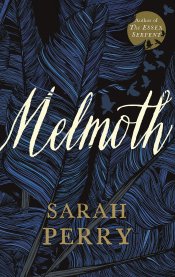
There is something deeply attractive and in fact, seductive about the Gothic, which played its part in my love for Sarah’s previous novel The Essex Serpent and I was fascinated to learn more about what inspired Melmoth.
It turned out be a wonderful discussion about society’s need to bear witness to the events around us and how increased interest in Gothic fiction appears to correspond with times of political unrest and uncertainty after periods of great calm.
As a firm paperback fan, I’ll have to wait a little while longer to read Melmoth, but it has certainly made it’s way onto my to be read list.
With day one having been a great success, I returned refreshed for day two, which would feature three vastly different talks and the chance to catch up with a friend along the way.
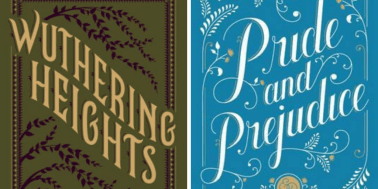
I started the morning debating whether Heathcliff or Darcy was the bigger s**t, and despite Sebastian Faulks and Dolly Alderton best arguments, I was firmly swayed by Philp Hensher entertaining argument that Darcy is an A***hole and Heathcliff is a s**t as one acts badly without understanding the consequences of his behaviour while the other knows exactly what he’s doing, and as Sarah Moss pointed out, Heathcliff deliberately harmed others despite claiming to love them.
After a quick coffee break, I joined my friend and headed back into the fray with The Sunday Times Debate – Does Trump Get a Second Term.
Now, I’m not normally one for politics, I like to understand what’s going on in the world and try to stay abreast of current events, but don’t dwell too long as frankly, life is too short to be that depressed all the time, so my expectations were low.
However, I was pleasantly surprised by how engaging the debate was, which despite addressing a wide range of points from Brett Kavanagh’s nomination to how American’s view money, never strayed fair from it’s main point and left me with plenty of food for thought.
Of the panellists, BBC correspondent Jon Sopel and New York Times journalist Ellen Barry stood out, as they clearly articulated their point of view and showed their passion for the topic without letting it overshadow their argument.
After a quick debrief with my friend and a lovely lunch, it was time for the third and final talk of the day, Sarah Dunant on the Borgias.
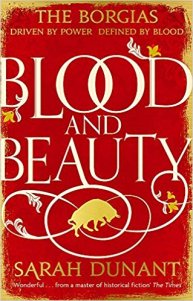
I have long been fascinated by the history of the Tudors, but in doing so often overlooked one of history’s other infamous families until I read Sarah’s novel, Blood and Beauty last year, which provided a fascinating insight into the world of renaissance Rome, albeit as a fictionalised one.
A historian by trade, Sarah delivered a wonderful lecture revealing the truth about this often maligned and misrepresented family, detailing their rise to, and fall from power, the strength of a rumour and the influence of the victor when it comes to recording history.
I left with a new perspective on the Borgia and a desire to learn more about them, particularly the events which lead Cesare Borgia, Niccolo Machiavelli and Leonardo Da Vinci, three of the renaissance’s biggest figures, to be in the same place at the same time.
Finally, to round things off it would only be right to mention the facilities provided at the festival, starting with the food court which offered plenty of sustenance to keep the brain juices flowing, including my personal favourite, the crepe stand.
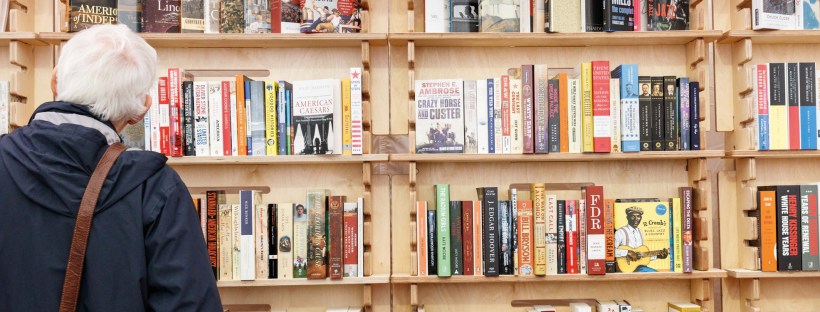
I also spent far too long wondering around the festival’s extensive bookshop, much to the benefit of my Waterstones stamp count. I tried to limit myself to only buying books related to the talks I attended, but the temptation was too great, and that idea was quickly discarded.
 Elle's Scribbles