
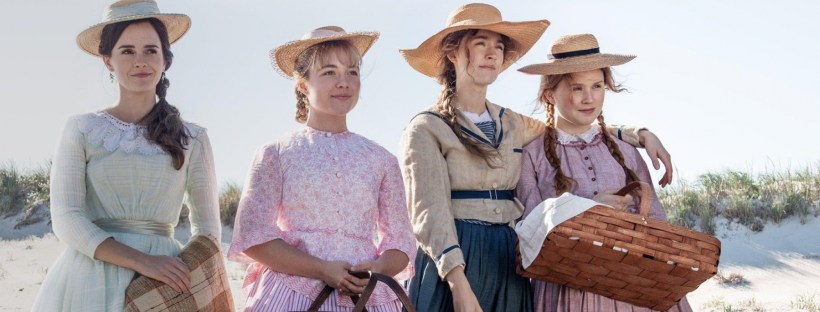
For 150 years, the story of four sisters has captured imaginations around the world, selling millions of copies and spawning numerous adaptions. So when Greta Gerwig announced that she was following her highly successful directional debut, Ladybird, with a new version of Louisa May Alcott’s Little Women, it left many of us asking if there was anything new to be added to such a well loved, well told tale?
In short, the answer was yes… there was plenty for Gerwig to bring to the table, as she revitalised the story of female restriction and self-empowerment to reflect a 21st Century, post #MeToo audience.
Taking on screenwriting duties, Gerwig subverts audience expectations by focusing on the March sisters as grown women and interspersing the narrative with flashbacks to the formative moments in the girls’ lives. This allows these moments room to breathe and increases their emotional impact, as we witness how they shaped the women the girls become.
Arguably, the most effective use of this technique comes during Beth’s illness, as Gerwig moves the action seamlessly between her past and present suffering taking the audience from euphoria to devastation in a matter of moments, and emphasising it’s impact on each member of the family, driving the story forward without wasting precious time.
Amongst the talented cast, including Emma Watson, Timothee Chalamet and Meryl Streep; Saorise Ronan and Florence Pugh deliver stand out performances as Jo and Amy respectively.
Having won the role by simply telling Gerwig that she would play Jo (which the director respected as a very Jo-like move) Saorise perfectly encapsulates Jo’s fight between her own stubborn passions and a desire to do good in a world which prevents a women from striving for her own ambitions, and receiving her own income. This is never more evident than in her climatic speech, where she reveals her fears over the choices she made, in particular those regarding the chance of love and companionship.
Yet for all Saorise’s brilliance, it’s Florence who steals the film, as she manages to rehabilitate the often hated, Amy, from a spoiled brat to a strong, independent woman who shakes off the jealousies of youth, acknowledges her vanities and strives to create the best life she can within the restrictions society has placed on her.
While the narrative switch-up enables the relationship between the youngest March sister and Laurie to grow naturally, encouraging the audience to invest in the young couple as we see them support one another as they enter Parisian society.
Adapting a well-loved classic for the screen is never an easy challenge, but Gerwig makes it look easy, breathing new life in Little Women by actively shifting the narrative to focus on the women, rather than the girls, and developing relationships that have often been overlooked in previous adaptations.
E
 Elle's Scribbles
I found your insights very interesting Ellen. I always loved the ‘old’ version but having read your critique I think I need to revisit the Gerwig film with fresh eyes.
LikeLiked by 1 person