

Should truth be sacrificed for the sake of entertainment?
This is the question I ask myself every time I sit down to watch Netflix’s Drive to Survive, the so called “inside track” on the latest Formula 1 season.
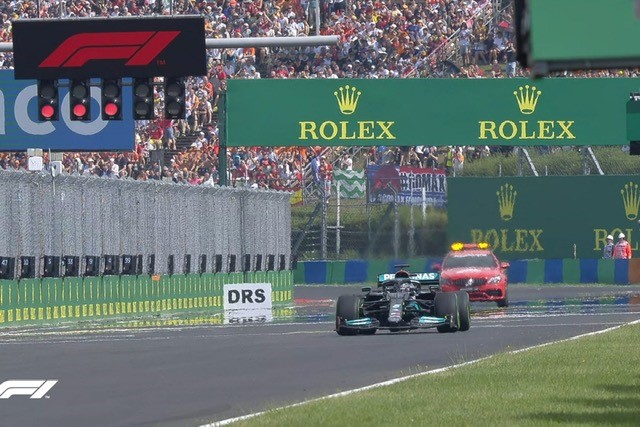
With 2021 featuring several stand out moments, not least a ‘down to the final race’ championship battle, a single car restart and plenty of crashes, there was plenty of action for the documentary to explore. But with fans of the sport already familiar with these moments, Netflix needed a new angle, a new insight, a new point of view, in order to keep the audience hooked.
Yet in their search for a fresh angle, do the show’s producer’s take things too far… manufacturing drama to the point where this “documentary” series becomes more fiction than fact?
Honestly, the answer is yes!
At the start of the 2021 season, Red Bull’s, Max Verstappen, openly declared his non-participation in the current series. His reasons were simple enough… the producers take the driver’s words, place them over alternative footage, changing the context and creating drama that simply didn’t exist.
McLaren’s online viewing party certainly reinforced this idea, with drivers’ Norris and Ricciardo laughing at their supposed rivalry in episode 2.
Often it’s these missing voices, like Verstappen’s and Alonso’s, that the audience want to hear the most. Ocon’s maiden win in Hungary was amazing, but it was Alonso’s courageous defence against Hamilton that was the real story of the race (alongside Hamilton’s lonely restart) and it wasn’t even covered. This may have been due to Alonso’s deal with rival streaming service, Amazon, but it remains a glaring omission nonetheless.
With Verstappen not contributing, it falls to Christian Horner to be the lone Red Bull representative, against the combined Mercedes trio of Toto Wolff, Lewis Hamilton and Valtteri Bottas… making the commentary very one-sided for a championship that was anything but.
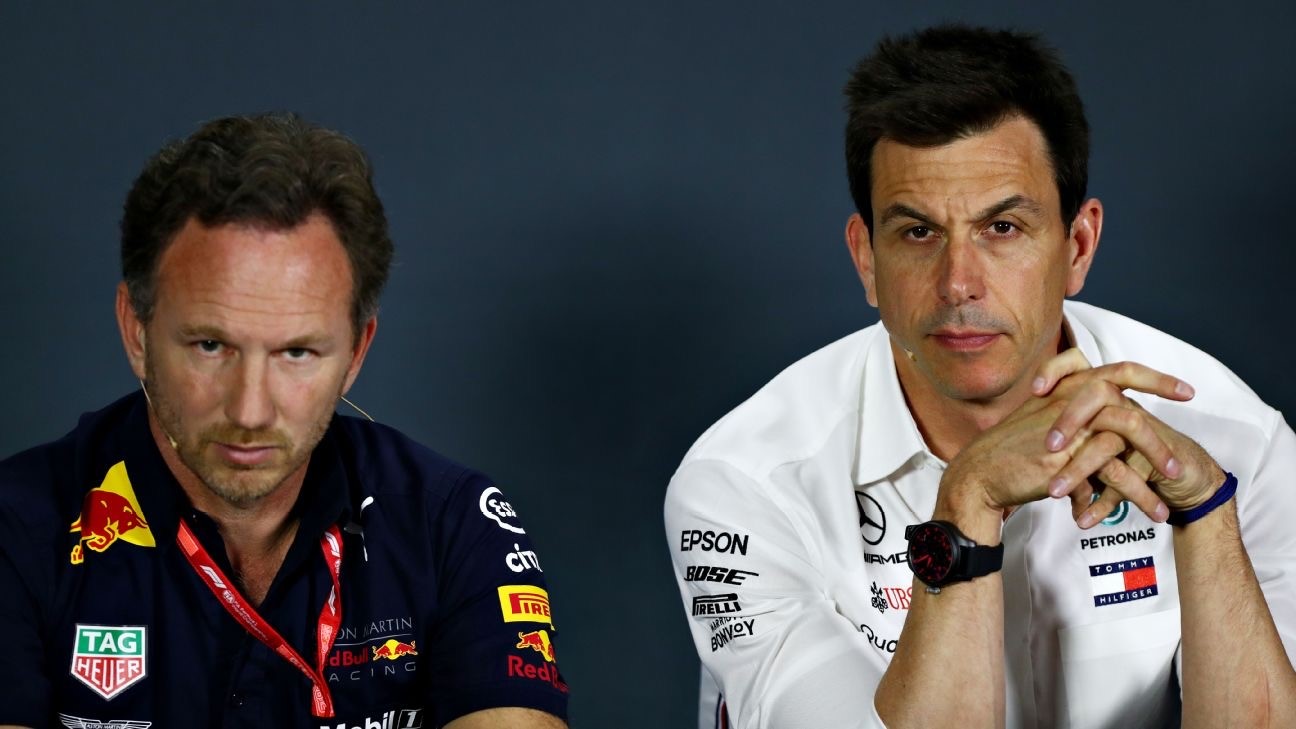
Horner and Wolff share an arrogance and uncompromising ruthlessness which makes them such successful team principals with 12 championships between them. In small doses these qualities can make for entertaining viewing, but they dominate this season’s screen time and it quickly becomes a turn off. Turning into nothing more than a he said, he said, situation, where each tries to paint the other as the villain. This mutual obsession with each other is uncomfortable to watch and leads to moments of hypocrisy/ temporary amnesia as they accuse their rival drivers of unsportsmanlike conduct, despite forgiving and even praising their own drivers for similar actions just an episode or two before.
Yes, the championship was a big story, but it wasn’t the only story of the 2021 season.
Viewers are drawn to Drive to Survive because it gives an insight into the sport as a whole, not because it rehashes a personal rivalry that has already played out in front of the camera. Formula 1 is about more than just Hamilton vs Verstappen, Wolff vs Horner, Mercedes vs Red Bull.
That being said, I will take more episodes of Guenther Steiner as team principal at Haas, especially the unfolding of the Russia, Urakali, Mazepin drama from the start of the 2022 season. It may be the sole reason I tune in for the recently announced season 5.
Perhaps the biggest problem isn’t the “documentary” drifting further into fiction, but how the desire for drama and entertainment by F1’s top figures is affecting the action on track.
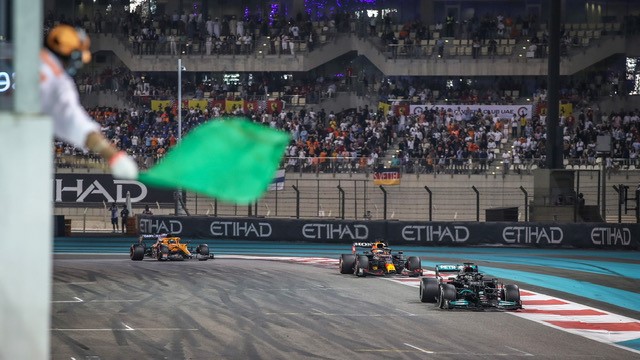
Regardless of whether you are a Hamilton fan, a Verstappen fan or simply a fan of the sport, the safety car decision by Race Director, Michael Masi, in the closing stages of the final race doesn’t add up. A very basic reading of the rules suggests all cars should be able to un-lap themselves under the safety car and at the very least, the same standards should apply to the whole grid. In other words all cars can un-lap themselves or no cars can.
That’s not what happened in Abu Dhabi. In the final laps it became Hamilton vs Verstappen for championship glory, as the cars between them, and only the cars between them were allowed to un-lap themselves. It was a move so controversial and unusual, it felt like the authorities took advantage of the situation to manufacture a dramatic conclusion that would get everyone talking…. which it did, for all the wrong reasons, eventually costing Masi his job.
Formula 1 is a sport where drama doesn’t need to be contrived… plenty of action naturally happens on and off track, so stick to the facts, show us the reality of the paddock and let the drivers RACE!
E
 Elle's Scribbles