
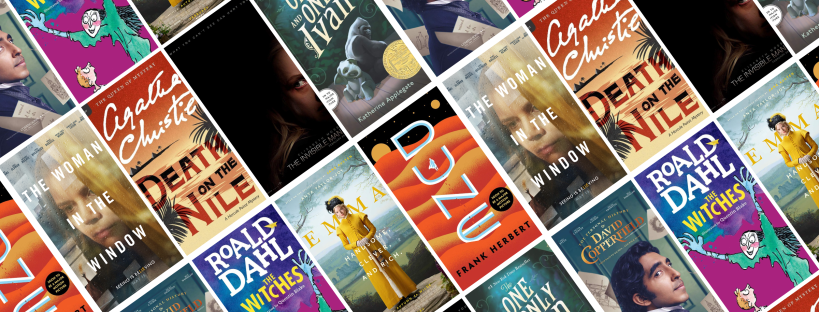
With filming costs ever increasing, studios are looking for sure-fire projects to invest in. Adaptations provide the perfect conditions due to a combination of ready to go material and built in audiences. Yet, history shows adaptations are never as sure as they appear on paper.
A successful adaption wins overs its build in audience, while also drawing in new viewers. It receives positive reviews, trends on social media and has people begging for more content. In an ideal world, it will also help boost sales of the original source material, benefitting both the studio and the author.
Examples of successful adaptations include Outlander, Bridgerton, Lord of the Rings, The Last Kingdom and Little Women (2019).
But what is it that makes these adaptions work?
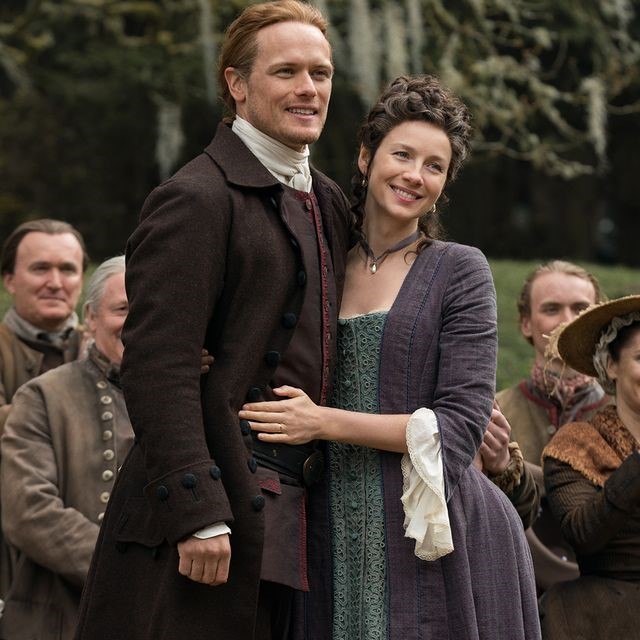
For a start, they respect their source material, staying as faithful as possible, while recognising some changes need to be made so it suits the screen instead of the page. In a lot of cases, the author is involved, helping to keep the shows narrative focus and approving changes to ensure the essence of the characters is not lost. Diana Gabaldon, author of the Outlander series has even said, she wishes she had thought of some of the changes herself when writing the novels.
The responsibility for protecting the character’s essence isn’t just the purview of the author. Cast and crew often step in if they feel like something isn’t right. On Outlander, Sam Heughan and Caitriona Balfe became Executive Producers so they could have more say in their character’s journey as they felt protective of Jamie and Claire, wanting to ensure their continued integrity.
Attention to even the smallest of details is also essential to an adaptations success. This extends from plotting storylines to prevent contradictions from previous seasons, to costuming and onto sets. In the age of social media, audiences spot and share everything, both the good and the bad, such as the infamous coffee cup in Game of Thrones final season.
So, if audiences are going to talk about the details, make sure its for the right reasons… like Penelope’s styling echoing the Bridgerton siblings to highlight her closeness to the family and desire to join its ranks, or Ian McKellen basing Gandalf’s accent on Tolkien’s own in Lord of the Rings, while the props department ensured every group had it’s own distinctive armour even though most pieces would only be seen on screen for a few seconds, if at all. Fans appreciate the thought and understanding that lie behind these choices.
So, where do unsuccessful adaptations fall down?
The Book Thief, The Hobbit, Wheel of Time, Despite the Falling Snow and the Percy Jackson films, all started with the same chances as any other adaptation, yet none of them quite hit the mark, begging the question, at what stage of the process did they make a wrong turn?
For most, it was the decision to ignore some, if not all of the original source material. In several unsuccessful adaptations all that remained were the title and character names. The premise had been left behind in the pre-production stage and replaced by something altogether different. Not only does this alienate the built in audience, but it often brings negative publicity as angry authors publicly distance themselves from the project.
Rick Riordan famously disowned the 2010 Percy Jackson adaption after the decision was made to age the characters up… moving them from pre-teens to 16/17 years old, the age they reach at the end of his five book series. He felt this ruined the family-orientated nature of his story and would create problems for adaptations of future books.
A lack of author involvement or a general disregard for an author’s opinion is a recurrent theme for unsuccessful adaptation. Think Michael Ende and 1984’s The NeverEnding Story, Lois Duncan and I Know What You Did Last Summer, as well as Madeleine L’Engle and A Wrinkle in Time.
Change can be necessary with adaptations, to ensure a story translates effectively to the screen. Yet some changes can be a step too far, especially for an audience already passionate about the narrative.

Perhaps the best example of this is the adaption of Jodi Picoult’s, My Sister’s Keeper. The screenwriters decision to alter the ending out the misguided notion that audiences wouldn’t be able to handle the emotionally tragic outcome Picoult original wrote, resulted in frustration and disappointment. The more ‘acceptable’ ending that was crafted lacked the necessary emotional punch needed for the story to truly deliver and left the film feeling flat.
Equally, The World Without End, the adaption of the second book in Ken Follet’s Kingsbridge series, also suffered from re-writings, as the novels central plot of building the Cathedral’s spire is discarded, affecting the premise and heart of the narrative. In truth the writers were trying to make their best way out of a corner the first series, based on Pillars of the Earth, had painted them into. That adaptation had ended with a completed cathedral and a fast-forward to show it’s weather-worn but unchanged appearance in the present day, making the building of the spire contradictory and obsolete. However, this does not change the fact that the essence of the source material was lost and that the series lacked focus, causing it to lose the audience, Pillars of the Earth had built.
Whatever the reason, making significant changes to the overall narratives, tends to result in an adaptations failure.
Every so often, an adaptation comes along that manages to be both successful and unsuccessful, falling into an awkward grey area and causing concertation among fans.
These tend to be series or films that started out strong, respecting the source material while carefully balancing plot, characters and themes. However, as time went by something changed. Perhaps a new director had alternative ideas, changing screenwriters lost track of what had come before or…simply caught up in their own success they lost respect for the essence of the material.

The third outing in the Divergent series, Allegiant, is a prime example of this. Starting our strong, the first two films had successfully tapped into the audience demand for young-adult fiction, but by film three, the series was quickly losing traction. This wasn’t helped by the decision to split the final book into two films (a popular quirk at the time), as the action was over-stretched and the characters behaved in ways contradictory to their essence to ensure the essentially doubled runtime was filled. This outing proved so unsuccessful the fourth and final film was scrapped, leaving the series without a satisfying ending.
A more recent example is the third and final series of A Discovery of Witches, based on the novels by Deborah Harkness. Admittedly, COVID protocols posed their own challenges to production, yet the problems go beyond that which the pandemic alone could have caused. The writing is questionable, the characters are severely under-developed, often hovering on the side-lines and feeling like they’ve just wandered into a scene by mistake as they have nothing to do, and the pacing is off. Some plot points drag on, while others, which needed room to breathe, are rushed for no discernible reason (e.g. the New Orleans vampires). Again there is a sense that the show was a victim of its own success, rushing the season to meet the audiences cries for more content, and forgetting the story’s essence in the process.
Among an adaptation’s built in audience there will always be those who find fault, as the series or film is unable to live up to the world they conjured in their heads while reading the source material. However, if a studio/producer respects the material, pays attention to the small details and ensures the story’s essence remains the intact when making necessary changes to suit the screen, there is every chance the adaptation will be a success.
E
 Elle's Scribbles